
TMJ Treatment
A single stem cell injection into the TMJ joint for patients with persistent jaw pain and joint dysfunction.
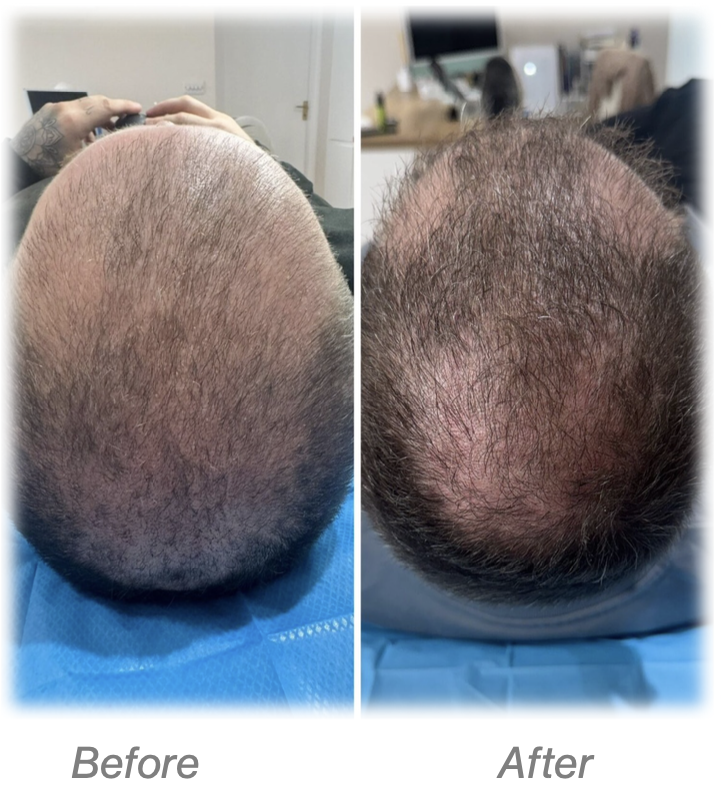
Hair thinning and hair loss occur when the normal hair growth cycle becomes disrupted and existing hair follicles become less active. Stem cell treatment for hair growth supports existing hair follicles, improves the scalp environment, and encourages follicles to return to an active growth phase.
Our regenerative hair treatments are designed to target the biological processes involved in hair follicle function rather than masking the appearance of thinning hair.
At the base of each hair follicle is a specialized region containing hair follicle stem cells. These cells play an important role in regulating the natural hair cycle and helping produce new hair.
When follicular stem cells and the surrounding cells become less active, it can contribute to progressive hair thinning and reduced hair density.
Stem cell treatment for hair growth aims to stimulate and support the cells surrounding existing hair follicles. Regenerative signaling molecules and growth factors may help activate follicular cells and encourage dormant follicles to transition from the resting phase into the active growth phase.
Unlike a hair transplant, this treatment does not implant new hair follicles. Instead, the goal is to support and rejuvenate follicles that are already present.
Hair follicles contain several populations of specialized cells involved in hair growth and regeneration.
Regenerative therapies may help influence these cells through biological signaling. Stem-cell-derived growth factors and signaling molecules can interact with cells around the hair root, including dermal papilla cells and follicular stem cells.
This help support:
The overall objective is to create conditions that allow existing follicles to function more effectively.
Regenerative hair therapy may also incorporate exosomes, depending on the individual treatment protocol.
Exosomes are microscopic extracellular vesicles released by cells. They carry biological signaling molecules, including proteins, growth factors and other cellular messengers, that allow cells to communicate with one another.
Hair loss can have many different causes. Changes within the hair follicle itself may contribute to the process.
Factors can include:
For this reason, identifying the underlying cause of hair loss is an important part of determining whether regenerative hair treatment is appropriate.
Treatment begins with a medical consultation to evaluate your pattern of hair loss, scalp condition, medical history and suitability for regenerative therapy.
Depending on the treatment protocol, regenerative material is prepared and carefully administered into targeted areas of the scalp using small injections.
The treatment focuses specifically on areas affected by thinning or reduced hair density.
Because stem cell hair therapy works by supporting existing follicles rather than transplanting new ones, it is more comparable to regenerative injection treatments such as PRP than to traditional hair transplantation.
Depending on the patient and the cause of hair loss, regenerative hair treatment offers several potential advantages:
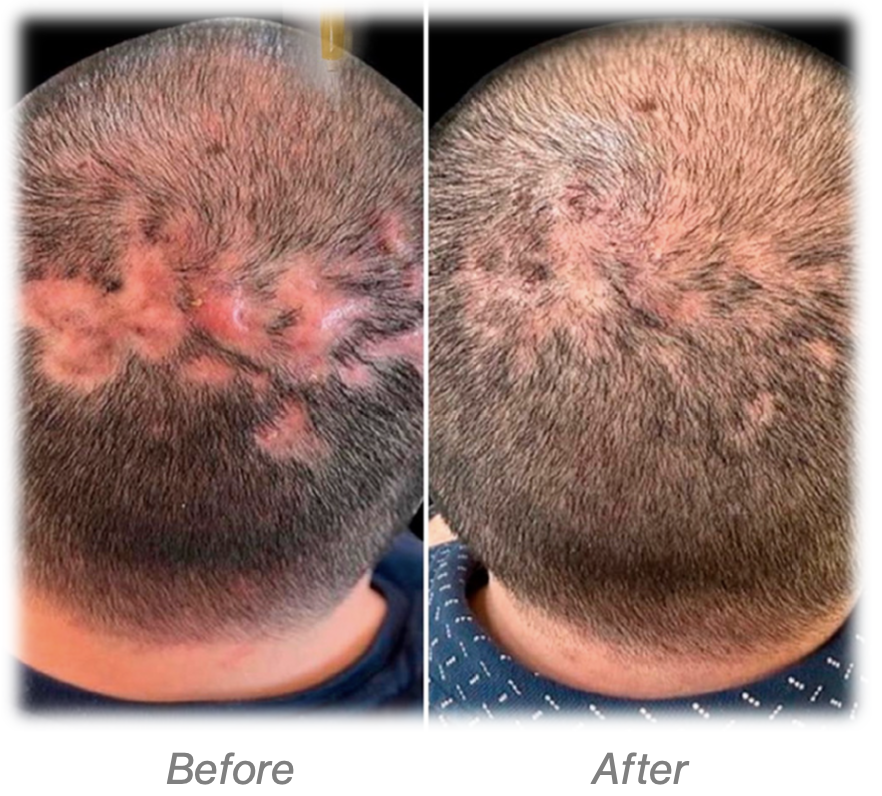
Results vary between individuals, and not every type or stage of hair loss responds in the same way.
Hair growth is a gradual biological process, so changes are not expected immediately after treatment.
Clinical studies of regenerative hair therapies have generally evaluated changes over several months rather than several days or weeks. Some studies have observed measurable improvements in hair density within approximately three to six months after treatment.
The degree and timing of improvement depend on factors including:
Your doctor can provide a more individualized treatment plan following examination.
Stem cell treatment for hair growth may be considered for men or women experiencing certain forms of hair thinning or hair loss, particularly when viable hair follicles remain within the affected areas.
Potential candidates may include people experiencing:
However, hair loss can result from hormonal conditions, nutritional deficiencies, autoimmune disease, medications and other medical conditions. A medical assessment is therefore important before beginning treatment.
Patients with completely inactive or permanently destroyed follicles may require a different hair restoration strategy.
The first step is determining why your hair is thinning.
At RegMed, Dr. Tengiz Tkebuchava will evaluate the pattern and progression of your hair loss, your scalp and hair follicles, your health history and your treatment goals before recommending a regenerative hair protocol.
Depending on your individual needs, your treatment plan may involve stem-cell-based regenerative treatment, stem-cell-derived signaling therapies such as exosomes, or a combination with other hair restoration approaches.
A single stem cell injection into the TMJ joint for patients with persistent jaw pain and joint dysfunction.
Stem cell injections for patients with chronic or recurring migraines.
Individualized regenerative treatments which complement conventional oncology care
Stimulate hair growth using non-surgical methods by activating natural follicle repair and improving scalp health.
Fill out the form with your contact details and your message. We will get back to you as soon as possible.