Red Light Therapy
A gentle, non-invasive treatment that helps reduce pain and inflammation, improve skin health, boost energy, and support overall healing.
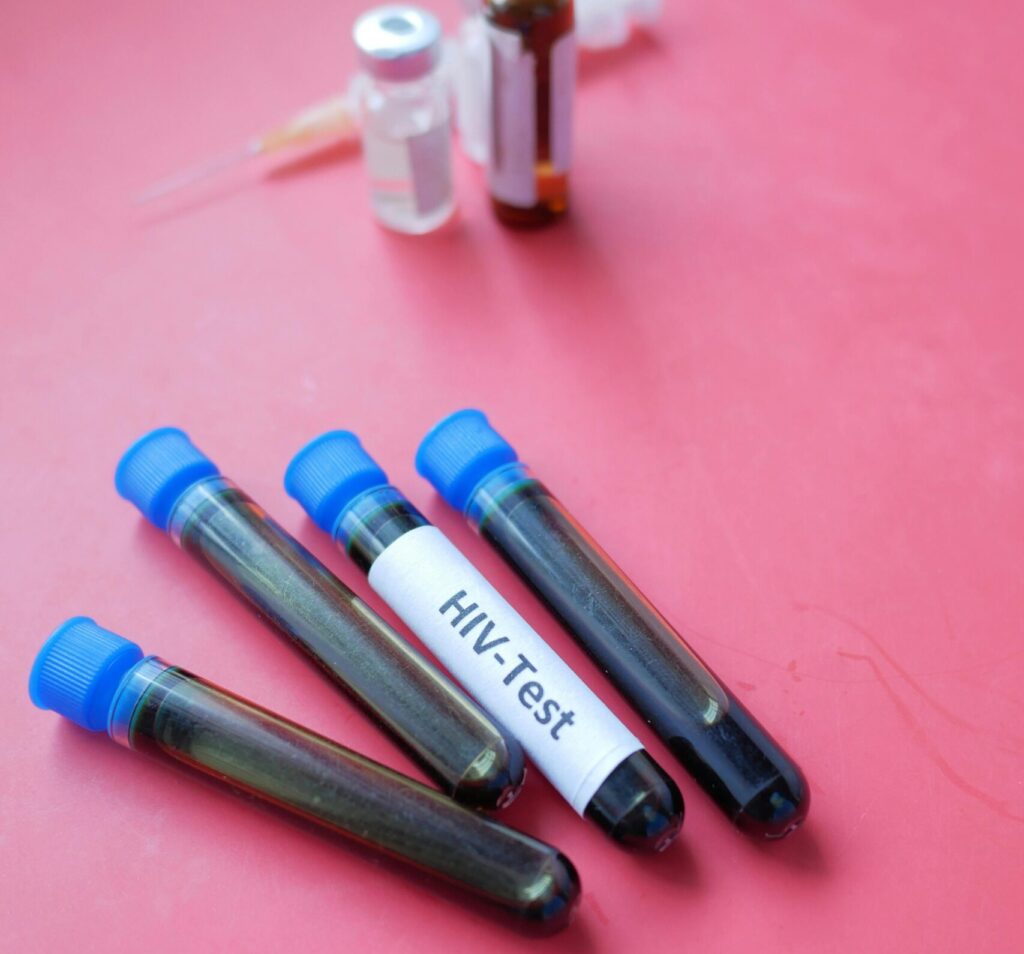
Human immunodeficiency virus (HIV) and acquired immunodeficiency syndrome (AIDS) are serious, life-threatening conditions that weaken the body’s ability to fight infections and disease. HIV progressively damages the immune system by targeting key immune cells, leaving individuals vulnerable to a wide range of health complications. Modern HIV treatment primarily relies on antiretroviral therapy (ART), a combination of medications that suppress viral activity and protect immune function. While ART has transformed HIV care, challenges such as persistent viral reservoirs and long-term medication effects highlight the need for additional therapeutic approaches.
Because stem cells can develop into multiple types of immune cells, they offer a potential way to replenish and rebuild the very cells that HIV destroys. In the context of HIV treatment, stem cell therapy introduces healthy, functional immune cells capable of supporting the body’s defense mechanisms and potentially reducing viral activity over time.
Stem cells influence the immune system in several beneficial ways. They release bioactive molecules that may inhibit HIV replication and help restore immune balance. Stem cells can also support the regeneration of depleted immune cells, strengthening the immune response against the virus. In emerging HIV treatment models, these mechanisms represent an important step toward restoring more resilient immune function.
A major advantage of stem cell-based HIV treatment is the potential for long-term benefits. Unlike ART, which requires lifelong daily therapy, stem cell interventions may support more lasting immune recovery. Research has shown that stem cell therapy can help suppress viral activity and, in some cases, reduce the size of the viral reservoir. This suggests a role for stem cells in achieving extended remission or contributing to curative strategies.
However, outcomes differ between individuals. Factors such as the type of stem cell, stage of HIV infection, and overall patient health can influence treatment success.
One of the most widely known cases is that of the “Berlin Patient,” Timothy Ray Brown, who received a stem cell transplant to treat leukemia and subsequently entered long-term remission from both cancer and HIV. Similar reports in other individuals demonstrate that stem cell-based HIV treatment may offer durable therapeutic effects in select cases and has encouraged expanded research in this field.
Scientific progress in stem cell research continues to open new possibilities for future HIV treatment options. Researchers are actively investigating methods to increase safety, improve cell engraftment, and broaden treatment accessibility. One promising area of development involves integrating gene-editing tools such as CRISPR-Cas9 into stem cell therapy.
Gene-editing techniques allow researchers to modify cells with precision, offering new opportunities to target HIV more directly. By engineering stem cells to resist viral entry or disable viral replication pathways, scientists aim to create immune cells that are naturally resistant to infection. This approach may one day contribute to more effective, long-lasting HIV treatment strategies.
Stem cell therapy represents a promising alternative to modern HIV treatment, offering the potential to repair immune damage, suppress viral activity, and enhance long-term immune resilience.
A gentle, non-invasive treatment that helps reduce pain and inflammation, improve skin health, boost energy, and support overall healing.
Joint therapy using stem cells to restore mobility and reduce chronic pain in hip and knee without surgery.
Advanced HIV treatment using regenerative stem cell therapies designed to strengthen immunity, reduce viral activity, and support long-term health.
Innovative COPD treatment using stem cell therapy to restore lung function, improve breathing, and support long-term respiratory health.
Fill out the form with your contact details and your message. We will get back to you as soon as possible.